


The Science of Safe Touch
We are wired for connection
From the moment we are born, our nervous system learns about belonging and regulation through touch. Being held, soothed, and physically close to another human is not a luxury ~ it's biology.
Your body is constantly scanning the world for signs of danger or safety, even when you aren't consciously aware of it. This process is governed by the autonomic nervous system, which has two main modes:
-
Fight or flight (stress, anxiety, hyper-vigilance)
-
Rest and repair (calm, connection, digestion, healing)
Modern life keeps many of us in sympathetic overdrive or sometimes in dorsal vagal shutdown (freeze), making it hard to access our natural rest-and-repair mode.
Deadlines, loneliness, trauma, overstimulation, grief, and emotional isolation can all signal to the nervous system that it is not safe to relax.
Why Rooted Touch works…
even if you don't think you're "a cuddly person"
The Neurochemistry of Touch

When someone is held in a safe, non-sexual, consent-based way, there's a cascade of neurochemicals that directly help modulate the hypothalamic-pituitary-adrenal (HPA) axis and the autonomic nervous system, creating measurable calming and bonding effects:
-
Oxytocin (often called the bonding hormone) floods the system, deepening trust and connection
-
Serotonin and dopamine (linked to mood and emotional stability) increase, bringing steadiness and ease
-
Cortisol (the stress hormone) decreases, allowing tension to release
This is why people often report feeling calmer, more open, more grounded and more emotionally present after a session ~ sometimes without being able to explain exactly why.
It's not "in your head"
It's measurable shifts in your nervous system.
How safety changes
the nervous system
Safe, attuned touch activates the ventral vagal complex ~ the part of your nervous system responsible for social engagement and safety.
When this pathway lights up, your body receives a clear message:
it is safe to engage, connect, and soften.
Research in affective neuroscience and polyvagal theory shows that structured, consensual touch reliably supports emotional regulation, social engagement, and stress reduction.
Rooted Healing works by supporting the nervous system through safe intentional touch ~ modulating the autonomic nervous system and activating neural pathways that support safety, connection, and emotional balance.

Safety is the doorway to change.
Rooted Healing is where neuroscience meets presence.
A space where your nervous system can finally relax because it is held safely, intentionally, and with care
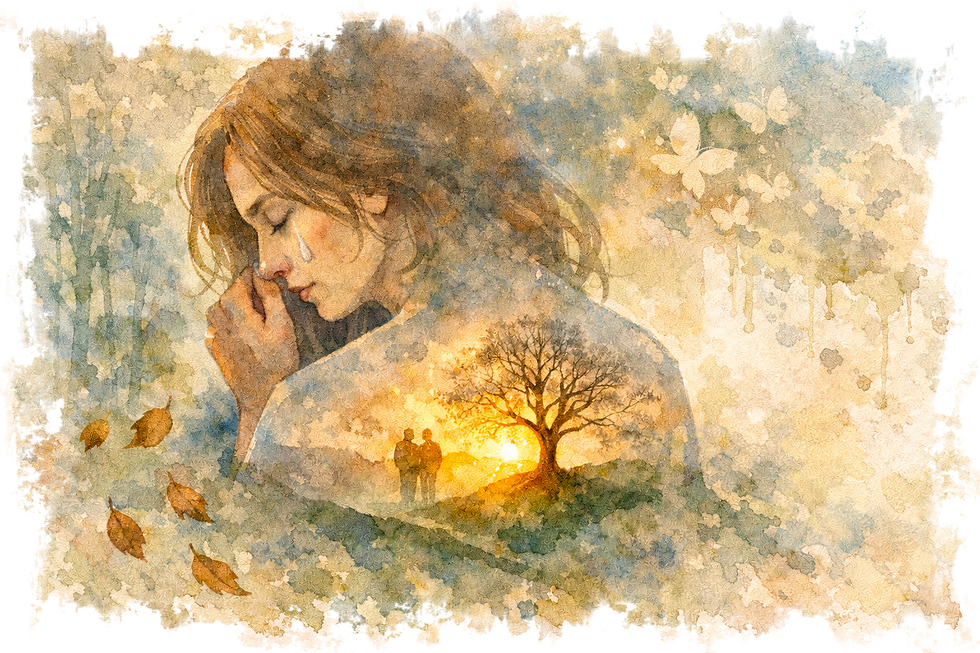
Grief, shock and the weight of responsibility
Grief doesn't only happen after death.
It happens after divorce, burnout, betrayal, illness, redundancy ~ or the slow realisation that life has changed in a way you didn't choose.
When grief hits, the nervous system often goes into protective withdrawal:
-
numbness
-
disconnection
-
hyper-thinking
-
emotional shutdown
This isn't weakness.
It is the body trying to survive something overwhelming.
Safe, attuned touch gently brings people back into their body,
without forcing them to talk, explain, or perform.
It helps shift the nervous system toward ventral vagal engagement ~
a state of connection, presence, and self-regulation.
Rooted Healing can be especially powerful for people
who carry huge responsibility:
CEOs, founders, carers, leaders, high-achievers.
When you're the one holding everyone else,
you rarely get to be held.
Chronic responsibility keeps the nervous system in a state of constant alert. Even when life looks "successful" on the outside, the body can feel deeply alone.
A session of safe, non-demanding connection allows the system to drop out of command mode and into something softer:
Being human ~ rather than being in charge.
That shift is where real restoration happens.
Regulation comes before insight.
When words begin to fail: dementia, illness and end-of-life
As cognition changes ~ through dementia, neurological illness, or the approach of death ~ the parts of the brain that process language often weaken first. But the parts that feel touch, rhythm, warmth and emotional presence remain active far longer.
Even as cortical areas responsible for language decline, the limbic system remains responsive, allowing touch, rhythm, and presence to convey safety and recognition. This is why people living with dementia may forget names, dates or even family members, yet still respond to a gentle hand on the arm, a soft embrace, or a calm, loving presence.
Touch speaks a deeper language than words.
This form of sensory and emotional anchoring engages preserved neural pathways to restore orientation, calm, and dignity. It can:
-
reduce agitation and distress
-
soothe fear and confusion
-
create moments of recognition and calm
-
restore dignity and human connection
At the end of life, touch becomes even more profound. When the body is tired, when language is no longer easy, when someone is preparing to let go, gentle, respectful physical presence can offer something nothing else can:
You are not alone.
You are still here.
You are still held.
Rooted Healing honours this dimension of touch ~ not as something sentimental, but as something deeply neurological and profoundly human.

Co-regulation: why being
with someone matters
Polyvagal theory describes a social engagement system in which facial expression, tone of voice, breathing, posture, and gentle attuned touch signal safety to the nervous system.
When someone is calm, steady, and emotionally available, simply being present can help another person's nervous system settle ~ often without words.
Rooted Healing uses this principle intentionally:
-
to create emotional safety
-
to reduce anxiety and overwhelm
-
to help the body return to balance
"You don’t have to try to relax.
Your system learns it by being with someone who already is"
What about attachment and emotional safety?
Many of us grew up without consistent, safe physical affection ~ or with touch that wasn't always predictable, respectful or emotionally safe. Over time, this shapes how we experience closeness, trust and intimacy.
Professional touch therapy works within a clear, ethical, trauma-informed framework that allows your nervous system to experience:
-
being close without pressure
-
being held without obligation
-
being valued without having to perform
That alone can be deeply healing.
Being held, soothed, and physically close to another human is not a luxury
~ it’s biology.
Why consent is part of the science
Your nervous system not only responds to touch ~ it also responds to control and choice.
Autonomy and agency are powerful modulators of the vagal system. Consensual touch signals safety, strengthens regulatory capacity, and reinforces trust.
When you get to say:
"yes"
"no",
"more"
"less"
"not that"
Your brain learns:
I am in control.
I am safe.
My boundaries matter.
That's why Rooted Healing places consent at the centre
of everything.
It's not just ethical ~ it's neurological.

Evidence, ethics and professional training
Studies in affective neuroscience show that structured, consensual touch improves mood, reduces anxiety, and modulates autonomic function ~ consistent with polyvagal theory.
Rooted Healing is informed by training with Cuddle Professionals International (CPI), a global organisation that sets professional standards for therapeutic touch, consent, trauma-informed practice and emotional safety.
This training includes:
-
nervous system and trauma awareness
-
attachment and bonding theory
-
consent-based touch frameworks
-
working with grief, illness and vulnerability
-
dementia and end-of-life touch
-
ethical and professional boundaries
Every session is guided by choice, clarity, safety and respect, so that your nervous system can relax because it knows the space is truly held.
This care is necessary
You don't book a session because you're weak or lonely or broken. You book because your nervous system ~ like every human nervous system ~ needs:
-
safety
-
connection
-
soothing
-
and being seen
Co-regulation is a biological necessity, not a luxury.
Rooted Healing offers a way to receive these things clearly, safely, and without confusion.
Presence. Care. Being human, together.